Essential Gear for a Weekend Camping Trip
A weekend camping trip does not need to be complicated.
You don’t need a huge backpack filled with every piece of outdoor equipment you can find. You simply need the right gear for the place, weather, and activities you have planned.
The problem is knowing what is actually important.
Forget one essential item, and your trip can become uncomfortable. Pack too much, and you may spend the weekend carrying things you never use.
A smart camping setup focuses on the basics: shelter, sleeping gear, food, water, lighting, clothing, and safety equipment.
In this guide, we’ll cover the essential gear you should consider for a two- or three-day camping trip and explain why each item matters.
1. A Reliable Tent
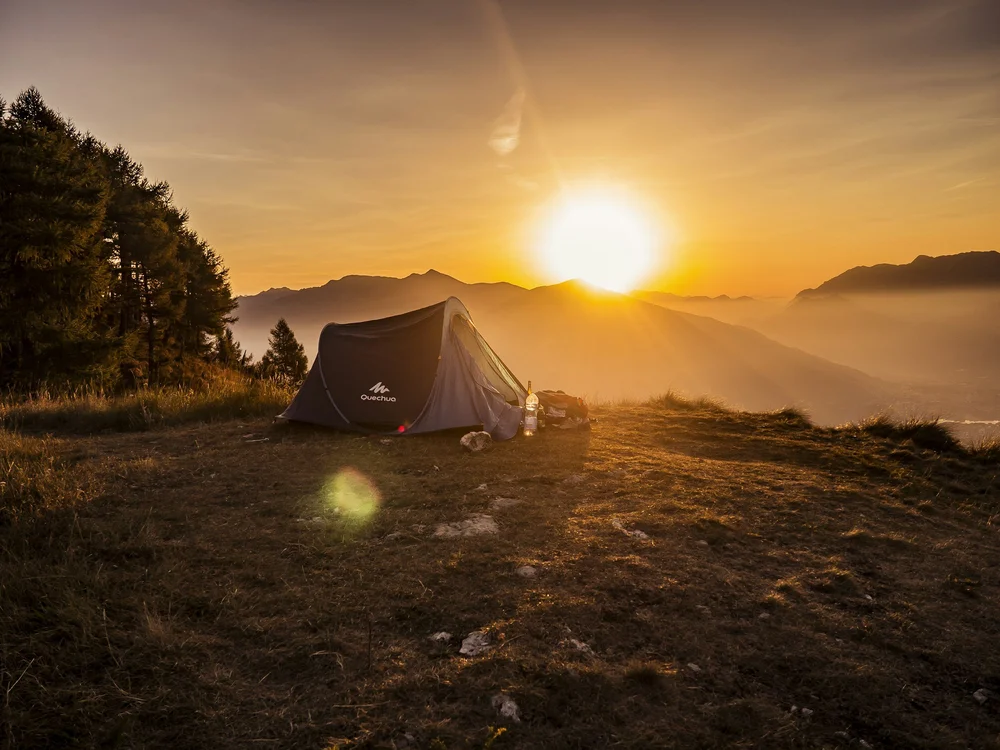
TentYour tent is your home for the weekend.
It gives you protection from rain, wind, insects, and changing temperatures. That’s why it should be one of the first things you choose.
Before buying or packing a tent, check:How many people will sleep insideWeather conditionsTent weightPacked sizeVentilationEase of setupFor a campsite close to your vehicle, you can choose a larger tent.
If you’ll be hiking to your campsite, a lighter tent is usually a better choice.
Tip: Set up your tent at home before the trip. Finding out that you don’t know how to assemble it after dark is not a fun surprise.
2. Sleeping Gear
GearA tent gives you shelter, but you also need something comfortable to sleep on.
Your basic sleeping setup can include:Sleeping bagSleeping padCamping pillowGroundsheetChoose your sleeping bag based on the expected temperature.
Don’t assume that a warm sleeping bag is always better. Using heavy insulation during a hot summer night can make sleeping uncomfortable.
A sleeping pad is also useful because it provides cushioning and creates a layer between you and the ground.
3. Enough Water
WaterWater should always be part of your camping plan.
For a weekend trip, think about how much water you’ll need for:DrinkingCookingBasic cleaningYour exact needs depend on the weather and activity level.
If you’re camping somewhere with a safe water source, you may be able to carry less water and use a suitable filtration or treatment method.
Never assume that clear water from a stream or lake is safe to drink without proper treatment.
Pro Tip: Carry a little extra water when possible, especially if the weather is hot or your trip includes hiking.
4. Simple Cooking Equipment
Cooking EquipmentWeekend camping doesn’t require a complicated kitchen.
A simple cooking setup may include:Camping stoveFuelSmall cooking potCupUtensilsFood storage container
Choose meals that are easy to prepare.
You can save space by selecting cookware that can be packed together.
If you’re camping with several people, plan your meals before leaving. This helps you avoid carrying unnecessary food and cooking equipment.
5. A Reliable Flashlight
FlashlightThe moment the sun goes down, lighting becomes essential.
A flashlight can help you:Walk around campFind things inside your tentCook after darkRead a mapSet up equipmentHandle unexpected situationsA tactical flashlight with adjustable brightness can be especially useful because you can use a lower setting for close-up tasks and a brighter setting when you need to see farther.
Keep your flashlight somewhere easy to reach.
You don’t want to empty your entire backpack just to find it.
6. Weather-Appropriate Clothing
Appropriate ClothingThe weather can change quickly, even during a short trip.
Instead of packing one very thick piece of clothing, consider using layers.
A basic weekend setup can include:Comfortable base layerDurable outdoor pantsWarm mid-layerRain jacketExtra socksHatGloves for cold conditions
Choose clothing that lets you move easily.
If rain is expected, bring proper rain protection. If temperatures will drop at night, pack an extra warm layer.
Remember: The weather you experience at night can be very different from the weather you see during the afternoon.
7. First Aid Kit
Aid KitSmall injuries can happen during camping.
You might get a blister from walking, scratch your hand on a branch, or get a minor cut while preparing food.
A basic first aid kit should contain supplies for common minor injuries.
You may want to include:BandagesGauzeAntiseptic suppliesBlister careMedical tapeBasic personal medicationsFor remote locations, consider carrying a more complete first aid kit.
Keep it somewhere easy to access.
8. Navigation Tools
ToolsIf you’re staying at an established campsite, navigation may seem less important.
But if you plan to hike during your weekend trip, you should still know how to find your way back.
Useful navigation tools include:MapCompassGPS devicePhone with offline maps
Don’t rely completely on your phone.
Your battery can run out, and some outdoor areas have little or no signal.
Learning basic navigation skills can make your outdoor trips safer and more enjoyable.
9. Basic Tools and Repair Gear
Tools and Repair GearYou don’t need a large toolbox.
A few small tools can help solve common camping problems.
Consider carrying:Multi-purpose toolRepair tapeCordSmall scissorsFire-starting equipmentThese items can help with simple repairs, equipment adjustments, and everyday campsite tasks.
Choose tools that you’ll actually use.
10. Emergency Supplies
SuppliesEven a short weekend trip should include basic emergency preparation.
Your emergency gear might include:Emergency blanketWhistleExtra foodExtra waterBackup lightingPower bankBasic repair suppliesYou may never need these items.
That’s a good thing.
Emergency equipment is there for situations you don’t expect.
What About Tactical Camping Gear?
If you want equipment that combines durability, practical storage, and outdoor-focused features, tactical-style equipment can be useful for camping.
For example, tactical backpacks can provide organized storage, while durable clothing can handle rough outdoor conditions.
However, don’t choose equipment simply because it is called “tactical.”Always check whether the product actually fits your trip.
For a range of outdoor equipment, you can explore our Tactical Camping Gear collection and choose items based on your camping needs.
Weekend Camping Checklist
Before leaving home, use this quick checklist.
Shelter & Sleeping☐ Tent☐ Tent accessories☐ Sleeping bag☐ Sleeping pad☐ Camping pillowFood & Water☐ Drinking water☐ Water treatment method☐ Camping stove☐ Fuel☐ Cooking equipment☐ FoodClothing☐ Base layer☐ Outdoor pants☐ Warm layer☐ Rain jacket☐ Extra socksLighting☐ Tactical flashlight☐ Spare batteries☐ Backup lightSafety☐ First aid kit☐ Map☐ Compass☐ Emergency blanket☐ WhistleTools☐ Multi-purpose tool☐ Repair tape☐ Cord☐ Fire-starting equipment
How to Avoid Overpacking
A weekend trip is short, so you don’t need to pack for every possible situation.
Before putting something in your bag, ask:”Will I use this?”If the answer is probably not, leave it at home.
You can also choose multi-purpose equipment.
For example, one compact tool may replace several individual tools.
Plan your meals before leaving so you don’t carry unnecessary food.
Check the weather so you don’t pack clothing you won’t need.
A little planning can reduce your load significantly.
Final Thoughts
A good weekend camping trip starts before you leave home.
Take time to plan your route, check the weather, and make a simple gear list. Focus on the essentials instead of filling your backpack with equipment you may never use.
Your basic setup should cover shelter, sleeping, food, water, lighting, clothing, navigation, and safety.
Once those needs are covered, you can add equipment based on your personal activities and the location you’re visiting.
The goal isn’t to bring everything.
It’s to bring everything you need—and nothing you don’t.
With the right preparation and reliable gear, a simple weekend outdoors can become an adventure you’ll want to repeat
Explore related gear at Tactical One 24