Best Tactical Camping Gear for Hiking and Backpacking
Hiking and backpacking can take you far from roads, buildings, and everyday comforts.
That freedom is one of the best parts of being outdoors. But it also means you need to think carefully about what you carry.
When you’re walking for hours with everything on your back, every item matters. A heavy backpack can make a simple trail feel difficult. The wrong clothing can leave you cold or sweaty. Poor lighting can make moving around at night much harder.
This is where choosing the right tactical camping gear can make a difference.
The goal isn’t to pack everything you own. The goal is to choose useful, durable, and easy-to-carry equipment that matches your adventure.
Let’s look at the essential gear you should consider before your next hiking or backpacking trip.
1. Start With a Good Backpack
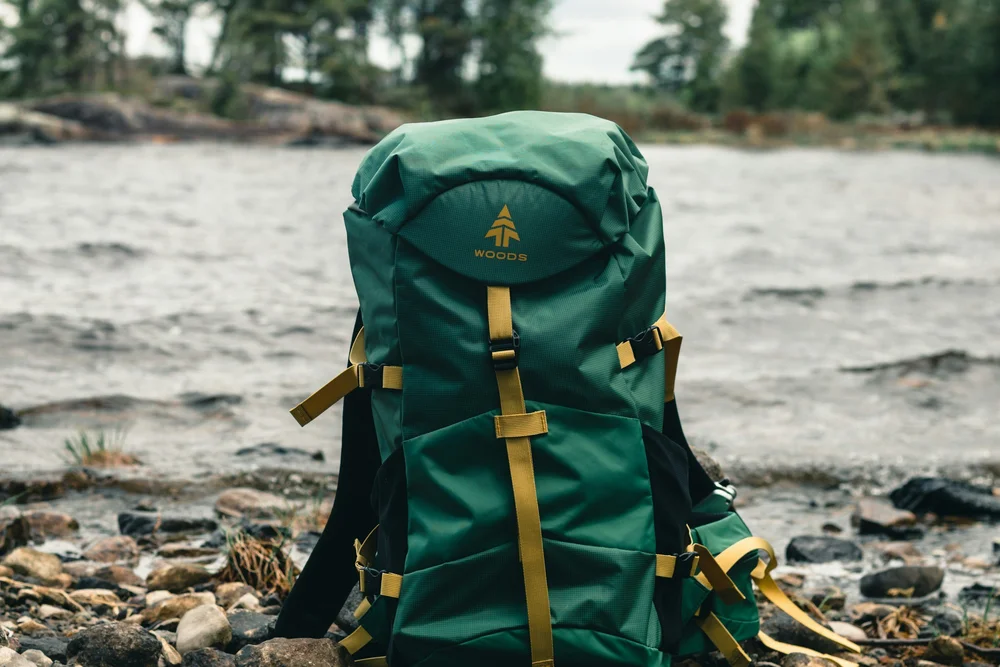
With a Good BackpackYour backpack carries almost everything you need.
So, choosing the right one should be your first step.
A good hiking backpack should be:ComfortableDurableEasy to organizeSuitable for your trip lengthComfortable when fully loaded
Look for adjustable straps and a design that spreads the weight across your body.
Avoid choosing a backpack simply because it has a huge capacity.
A larger backpack can encourage you to pack things you don’t really need.
Remember: The best backpack isn’t necessarily the biggest one. It’s the one that carries your essentials comfortably.
2. Choose Lightweight Shelter
Lightweight ShelterIf you’re backpacking overnight, you’ll need somewhere to sleep.
Your tent should protect you from weather while remaining easy to carry.
Before choosing a tent, consider:WeightPacked sizeNumber of peopleRain protectionVentilationSetup timeFor a long hiking trip, every extra bit of weight matters.
A lightweight tent can make carrying your backpack easier without leaving shelter behind.
If you’re camping near your vehicle, however, weight may not matter as much.
3. Don’t Ignore Your Sleeping System
Ignore Your Sleeping SystemA long day of hiking can leave you tired.
A good sleeping setup helps you recover for the next day.
Your sleeping system may include:Sleeping bagSleeping padCamping pillowGroundsheetChoose your sleeping bag according to the expected temperature.
A warm-weather sleeping bag may not be suitable for a cold mountain night.
Your sleeping pad is also important because it adds comfort and helps separate your body from the cold ground.
4. Wear the Right Clothing
Right ClothingYour clothing is part of your outdoor equipment.
During hiking and backpacking, you may experience changes in temperature throughout the day.
You could start your hike in cool morning weather and finish it in warm afternoon conditions.
That’s why layers are useful.
A simple clothing system can include:Moisture-wicking base layerLightweight hiking shirtDurable outdoor pantsWarm mid-layerRain jacketExtra socksHat or gloves when needed
Choose clothing that allows you to move freely.
Avoid wearing something simply because it looks tough. Comfort becomes much more important after several hours on a trail.
5. Carry a Reliable Flashlight
Reliable FlashlightThe sun won’t always be above you.
You may start hiking before sunrise, reach camp after sunset, or need to move around at night.
A reliable flashlight can help you:Follow a trail after darkSet up your tentFind equipmentRead a mapMove safely around campChoose a flashlight that provides enough brightness for your surroundings.
It’s also smart to carry spare batteries or another charging option.
Pro Tip: Keep your flashlight somewhere easy to reach. Don’t place it at the bottom of your backpack.
6. Pack Enough Water
Enough WaterWater is one of the most important things to plan before a hike.
How much you need depends on factors such as:TemperatureDistanceActivity levelAvailability of safe waterIf you’re traveling somewhere with natural water sources, you may also want a suitable water filtration or treatment method.
Never assume that clear-looking water is automatically safe to drink.
Plan your water supply before leaving.
7. Keep Your Cooking Gear Simple
Your Cooking Gear SimpleBackpacking isn’t the time to carry a full kitchen.
A simple cooking setup is usually enough.
Depending on your trip, you may need:Compact camping stoveFuelSmall cooking potCupLightweight utensilsEasy-to-prepare foodChoose equipment that does its job without taking up too much space.
If one item can perform several useful tasks, it may help reduce the number of things in your backpack.
8. Carry Navigation Equipment
Navigation EquipmentGetting lost can quickly turn a fun adventure into a serious problem.
Your navigation equipment might include:MapCompassGPS deviceSmartphone with offline mapsPower bankTechnology can be very useful, but don’t rely on your phone alone.
A dead battery or poor signal can leave you without a reliable way to navigate.
Learning basic map and compass skills is a valuable outdoor skill for hikers and backpackers.
9. Pack a Basic First Aid Kit
Basic First Aid KitSmall injuries can happen on any trail.
Blisters, cuts, scrapes, and minor burns are common problems during outdoor activities.
A basic first aid kit should be easy to access and suitable for your trip.
It can include supplies for:Small cutsBlistersMinor burnsScrapesBasic wound careFor remote trips, you may need a more complete first aid setup.
10. Choose Durable Tools
Durable ToolsYou don’t need a huge toolbox in your backpack.
A few useful tools can be enough for many trips.
Consider carrying:Multi-purpose toolRepair tapeCordFire-starting equipmentSmall repair suppliesChoose tools based on your actual needs.
The goal is to solve common problems without adding unnecessary weight.
11. Think About the Weather
About the WeatherWeather can change quickly during outdoor adventures.
Before leaving, check the forecast and prepare for the conditions you’re likely to face.
For example:Hot weather: Choose breathable clothing, sun protection, and lightweight equipment.
Cold weather: Focus on insulation, warm sleeping gear, and suitable layers.
Rainy weather: Carry rain protection and use equipment that can handle wet conditions.
Windy conditions: Make sure your shelter is suitable for the expected weather.
Good preparation can make a major difference.
What Should You Leave at Home?
One of the biggest backpacking mistakes is carrying too much.
You probably don’t need:Multiple large toolsExtra cooking equipmentToo many clothesHeavy gadgetsItems you have never usedBefore packing something, ask:”Will I really need this?”If the answer is no, leave it behind.
A lighter backpack can make your hike much more comfortable.
Simple Hiking & Backpacking Checklist
Before leaving, check your essentials:Shelter☐ Tent☐ Groundsheet☐ Sleeping bag☐ Sleeping padClothing☐ Hiking shirt☐ Outdoor pants☐ Warm layer☐ Rain protection☐ Extra socksFood & Water☐ Water☐ Water filter or treatment method☐ Camping stove☐ Fuel☐ FoodSafety & Navigation☐ Map☐ Compass☐ First aid kit☐ Emergency suppliesLighting & Tools☐ Tactical flashlight☐ Spare batteries☐ Multi-purpose tool☐ Basic repair suppliesAdjust the checklist based on your destination, weather, and trip length.
Final Thoughts
The best gear for hiking and backpacking isn’t the gear with the most features.
It’s the gear that solves real problems without making your backpack unnecessarily heavy.
Focus on the essentials first. Choose durable materials, comfortable clothing, reliable lighting, suitable shelter, and simple cooking equipment.
Think carefully about your destination and the conditions you may face.
And remember that preparation matters just as much as the gear itself.
If you’re planning your next outdoor adventure, explore our Tactical Camping Gear collection to find equipment that can fit different hiking, camping, and backpacking needs.
The right gear won’t hike the trail for you—but it can make the journey much easier, safer, and more enjoyable.
Explore related gear at Tactical One 24