Tactical Camping Gear for Long Outdoor Adventures
A long outdoor adventure is very different from a short camping trip.
When you are outside for several days, your gear has to work harder. You may walk farther, face changing weather, carry more supplies, and spend more time away from stores or other people.
This makes tactical camping gear more than just equipment. It becomes part of your preparation.
But preparing for a long trip does not mean filling your backpack with everything you own.
The best approach is to choose gear that is durable, useful, comfortable, and easy to carry.
In this guide, we’ll look at the most important gear for longer outdoor adventures and explain how to build a setup that keeps you prepared without carrying unnecessary weight.
1. Start With a Strong Backpack
With a Strong Backpack
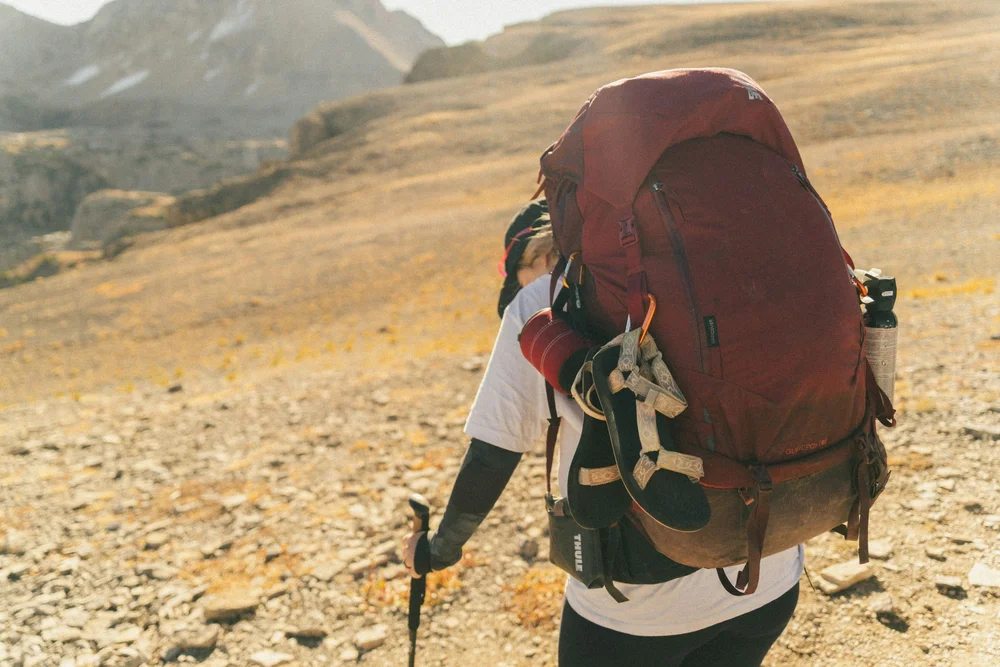
Your backpack will carry most of your equipment.
For a long trip, you need enough space for food, water, clothing, shelter, and safety equipment.
But bigger isn’t always better.
A huge backpack can encourage you to pack too much, which adds unnecessary weight.
Look for a backpack with:
Comfortable shoulder straps
Adjustable waist support
Strong materials
Useful compartments
Easy-access pockets
Weather-resistant construction
Pack heavier items close to your back. This can help keep the load balanced and make walking more comfortable.
Before your trip, load your backpack and walk around with it.
You’ll quickly discover if something is too heavy.
2. Choose Durable Shelter
Durable Shelter
Your shelter becomes your home when you’re outdoors for several days.
A good tent should protect you from:
Rain
Wind
Cold
Insects
Wet ground
For longer trips, durability becomes more important because your shelter may face changing conditions for several nights.
Check the tent’s:
Material
Waterproofing
Weight
Packed size
Ventilation
Setup process
If you expect difficult weather, choose protection over saving a small amount of weight.
Your shelter is not an area where you want to take unnecessary risks.
3. Build a Comfortable Sleeping System
Comfortable Sleeping System
Poor sleep can make a long adventure much harder.
After walking all day, your body needs time to recover.
A basic sleeping system can include:
Sleeping bag
Sleeping pad
Pillow
Ground protection
Choose your sleeping bag based on the lowest temperatures you expect.
A sleeping pad is also important because it provides comfort and helps reduce heat loss through the ground.
For longer trips, comfort is not a luxury.
It can help you wake up ready for another day outdoors.
4. Pack Clothing in Layers
Clothing in Layers
Weather can change quickly during a long adventure.
You may start the morning feeling cold, become hot while hiking, and then face another drop in temperature after sunset.
A layering system makes it easier to adjust.
Base Layer
A moisture-wicking shirt helps move sweat away from your skin.
Mid Layer
A warm layer helps keep your body comfortable when temperatures drop.
Outer Layer
A rain or weather-resistant jacket helps protect you from wind and rain.
Also pack:
Durable outdoor pants
Extra socks
Hat
Gloves when needed
Extra base layers
Don’t pack clothing based only on the daytime temperature.
Think about mornings and nights too.
5. Plan Your Water Supply
Your Water Supply
Water becomes even more important during long trips.
You need enough for drinking and cooking, and you may need additional water depending on the temperature and your activity level.
Before leaving, research where reliable water sources are located.
If natural water is available, carry an appropriate filtration or treatment method.
Your setup might include:
Water bottles
Hydration reservoir
Water filter
Water treatment supplies
Extra water storage
Never assume that clear water is automatically safe to drink.
Plan your water system before you leave.
6. Keep Food Simple and Practical
Food Simple and Practical
Food is another important part of long outdoor trips.
You need enough energy to walk, carry your backpack, set up camp, and stay active.
Choose food that is:
Easy to prepare
Lightweight
Long-lasting
High in energy
Easy to store
Your cooking setup can remain simple.
Consider carrying:
Compact camping stove
Fuel
Small pot
Cup
Lightweight utensils
Plan your meals before the trip.
This helps you carry enough food without bringing unnecessary items.
7. Carry Reliable Lighting
Reliable Lighting
A long adventure may involve several nights outdoors.
A reliable flashlight becomes essential.
You can use it for:
Walking after dark
Setting up camp
Cooking
Finding equipment
Reading maps
Checking your surroundings
A flashlight with different brightness settings can be useful.
Use a lower setting for close-up tasks and a brighter setting when you need to see farther.
Always consider battery life.
Carry spare batteries or a suitable charging method for longer trips.
8. Don’t Forget Navigation
Forget Navigation
When you’re outdoors for several days, you may travel through unfamiliar areas.
Good navigation equipment can help you stay on track.
Consider carrying:
Physical map
Compass
GPS device
Phone with offline maps
Power bank
Don’t depend on one navigation method.
Your phone may run out of battery. A GPS device can fail. Weather can make landmarks difficult to see.
Learning basic map and compass skills gives you another option.
9. Carry a Proper First Aid Kit
Proper First Aid Kit
A small first aid kit may be enough for a short camping trip.
Long adventures can require more preparation.
Walking for several days can lead to problems such as:
Blisters
Scrapes
Cuts
Minor burns
Muscle soreness
Your first aid supplies should match your trip length and location.
Keep the kit somewhere easy to reach.
You don’t want to unpack your entire backpack to find a bandage.
10. Pack Useful Tools
Useful Tools
A long trip can create small problems.
A strap may loosen. Equipment may need a simple repair. You may need cord or tape around camp.
A few useful tools can help.
Consider:
Multi-purpose tool
Repair tape
Cord
Fire-starting equipment
Small repair supplies
Avoid carrying a large collection of tools.
Choose equipment that can solve several common problems.
11. Prepare for Changing Weather
Changing Weather
Long trips give the weather more chances to surprise you.
A forecast can change.
That’s why your equipment should have some flexibility.
If rain is possible, pack proper rain protection.
If temperatures may drop, carry an extra warm layer.
If strong wind is possible, make sure your shelter is suitable for those conditions.
Also protect your important items from water.
Use waterproof bags or suitable storage for things like:
Maps
Electronics
First aid supplies
Spare clothing
Important documents
12. Focus on Gear That Lasts
Gear That Lasts
Long outdoor adventures put more stress on equipment.
Your gear may be exposed to dirt, rocks, branches, rain, and repeated use.
When choosing equipment, check:
Fabric quality
Stitching
Zippers
Buckles
Seams
Weather resistance
Durability doesn’t mean you need the heaviest product.
Look for equipment that gives you a good balance of strength and weight.
If you’re preparing a complete setup, you can explore our Tactical Camping Gear collection and choose equipment based on the type and length of your adventure.
How to Avoid Carrying Too Much
Long trips naturally require more equipment.
But that doesn’t mean you should carry everything.
Before packing each item, ask:
“What problem does this solve?”
Then ask:
“Can another item already in my backpack do the same thing?”
Choose multi-purpose equipment whenever possible.
For example, one compact tool may replace several individual tools.
Plan your meals carefully.
Choose clothing that can work in different conditions.
And avoid packing items just because you might use them.
A lighter backpack can make a long journey much more comfortable.
Long Outdoor Adventure Checklist
Use this basic checklist before your next multi-day trip.
Shelter
☐ Tent
☐ Ground protection
☐ Sleeping bag
☐ Sleeping pad
Clothing
☐ Base layers
☐ Outdoor pants
☐ Warm layer
☐ Rain jacket
☐ Extra socks
☐ Hat or gloves
Food & Water
☐ Water
☐ Water filter or treatment
☐ Food
☐ Camping stove
☐ Fuel
☐ Cooking equipment
Navigation
☐ Map
☐ Compass
☐ GPS/offline maps
☐ Power bank
Lighting
☐ Tactical flashlight
☐ Spare batteries
☐ Backup light
Safety
☐ First aid kit
☐ Emergency blanket
☐ Whistle
☐ Emergency supplies
Tools
☐ Multi-purpose tool
☐ Repair tape
☐ Cord
☐ Fire-starting equipment
Adjust this list according to your destination, weather, and trip length.
Final Thoughts
Long outdoor adventures require more planning than a simple overnight camping trip.
Your gear needs to be reliable enough to handle several days of use while remaining light enough to carry comfortably.
Focus on the essentials first.
Choose a strong shelter, comfortable sleeping system, suitable clothing, reliable lighting, enough water, simple food, navigation equipment, and basic emergency supplies.
Then remove anything you don’t really need.
The goal is not to build the biggest backpack.
It is to build a smart backpack.
When every item has a purpose, your equipment becomes easier to carry, easier to organize, and more useful throughout your adventure.
With the right preparation and Tactical Camping Gear, you can spend less time worrying about what you packed and more time enjoying the outdoors.
Explore related gear at Tactical One 24